

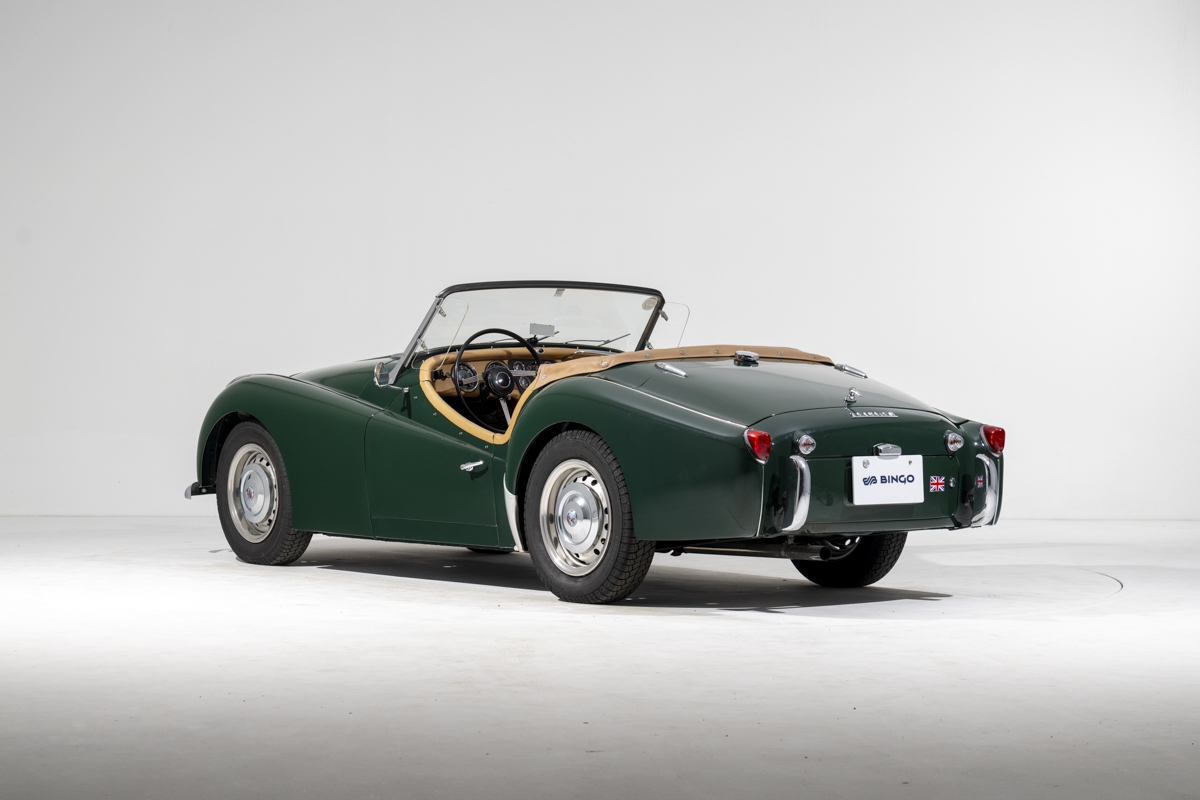
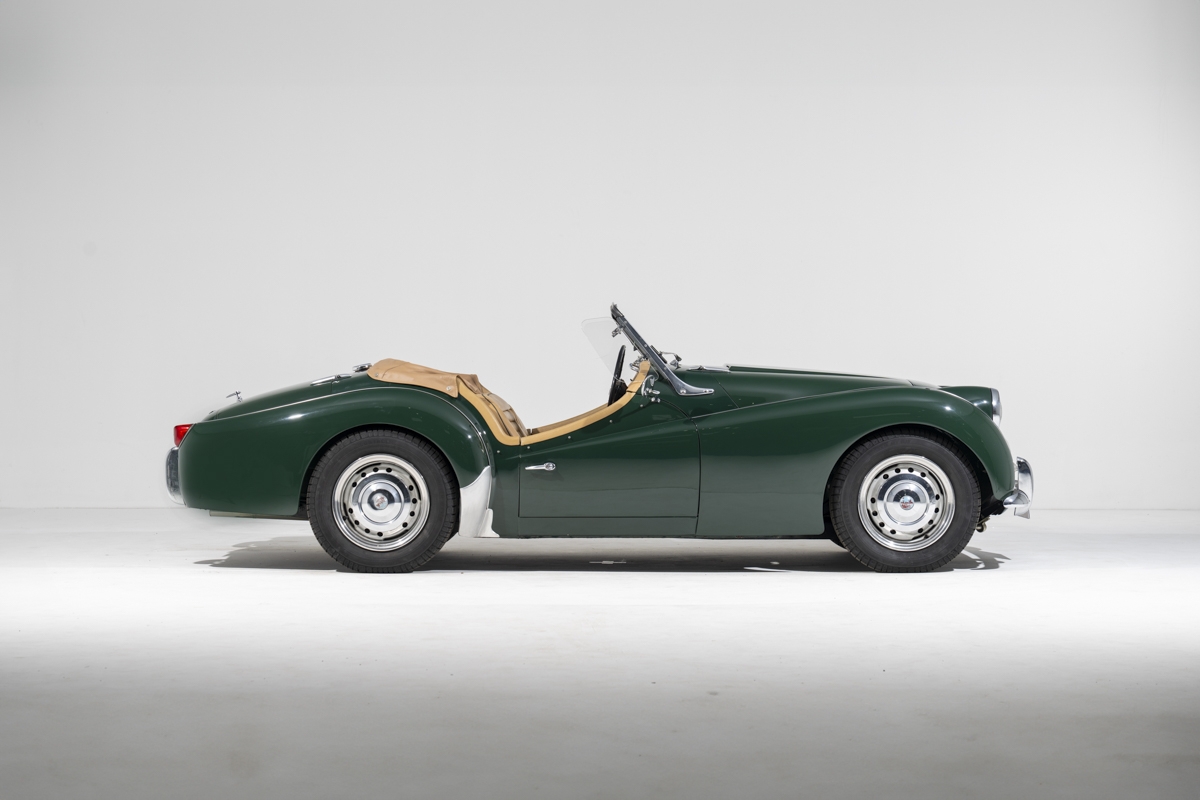
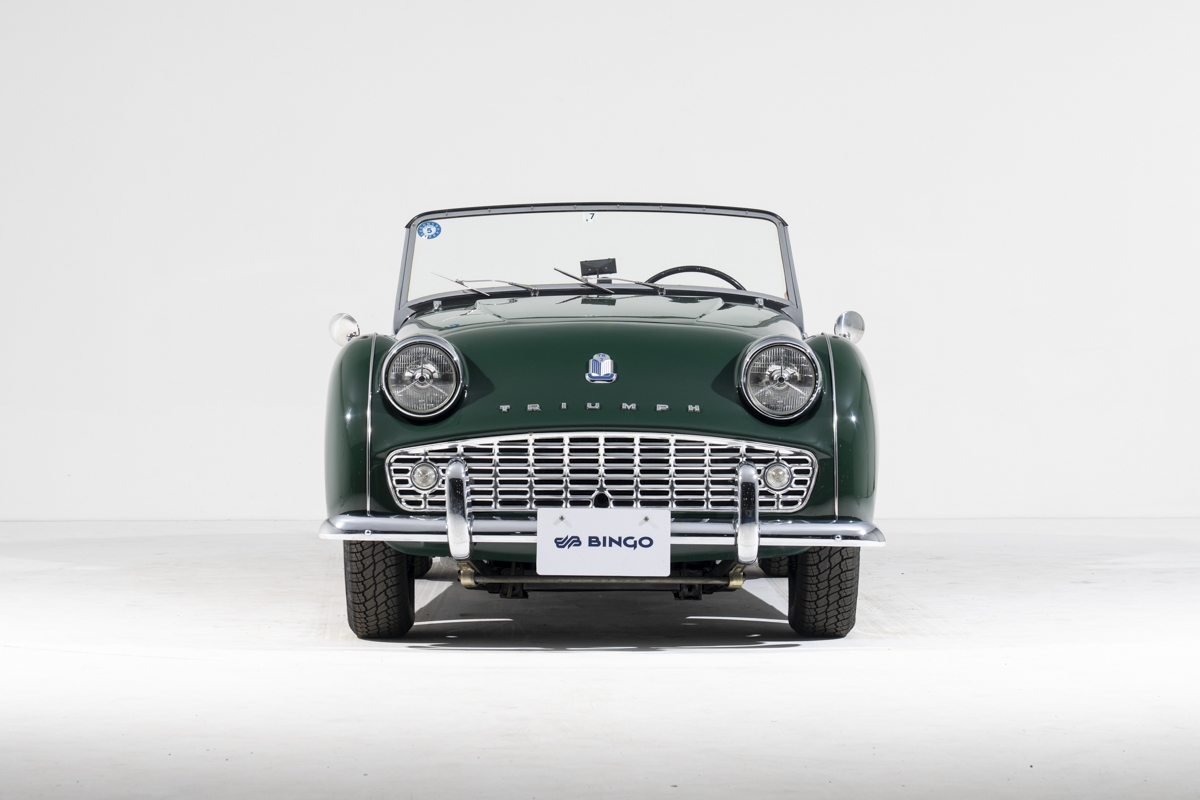
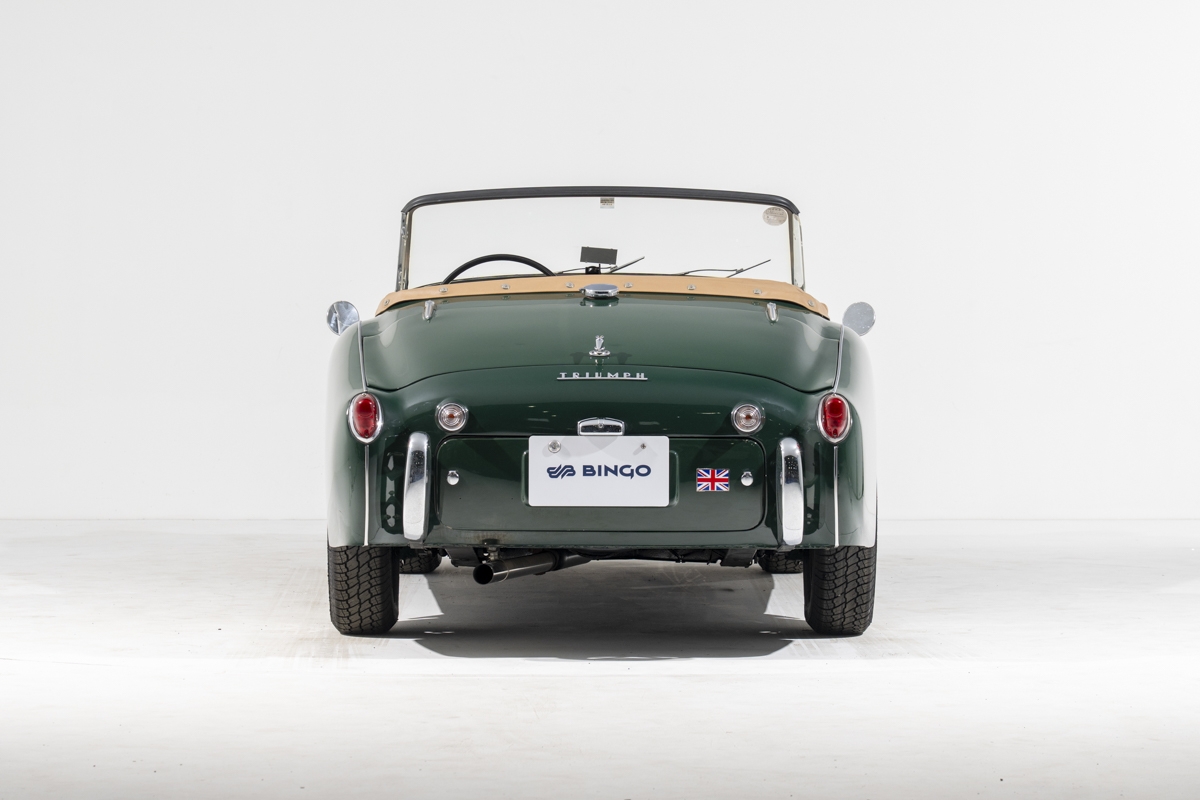
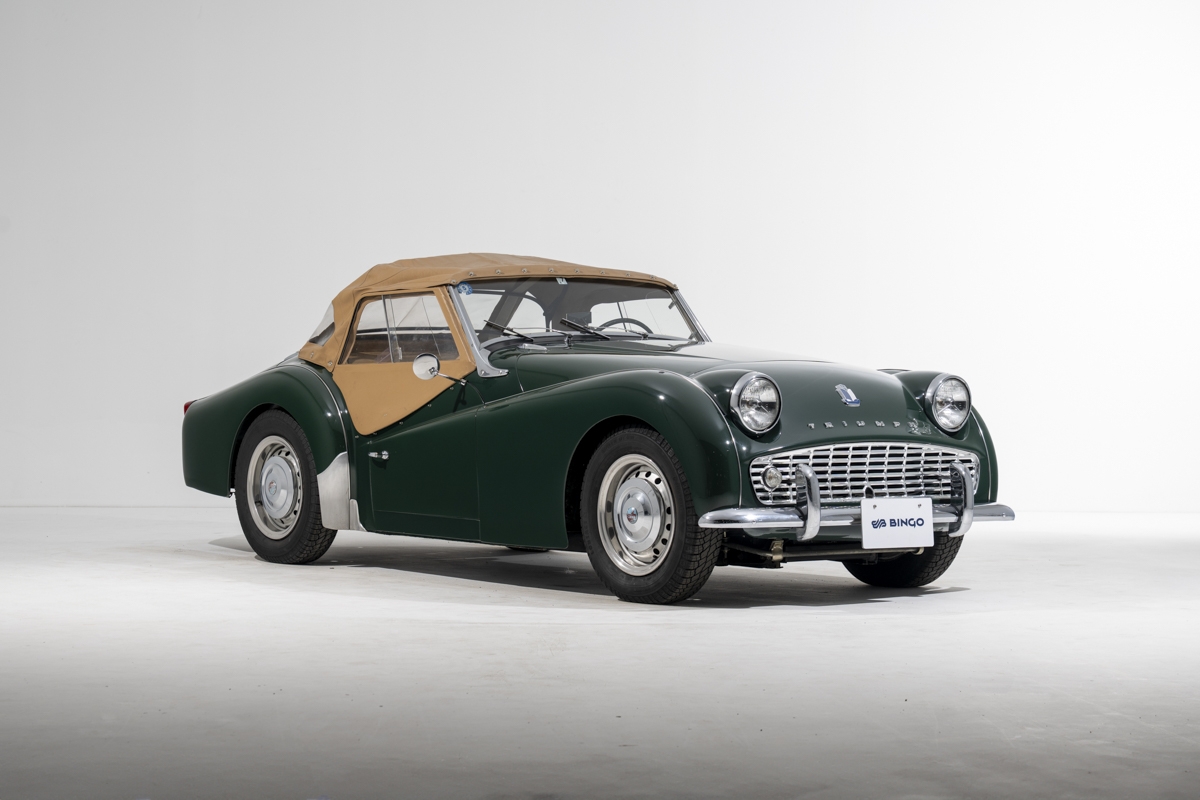
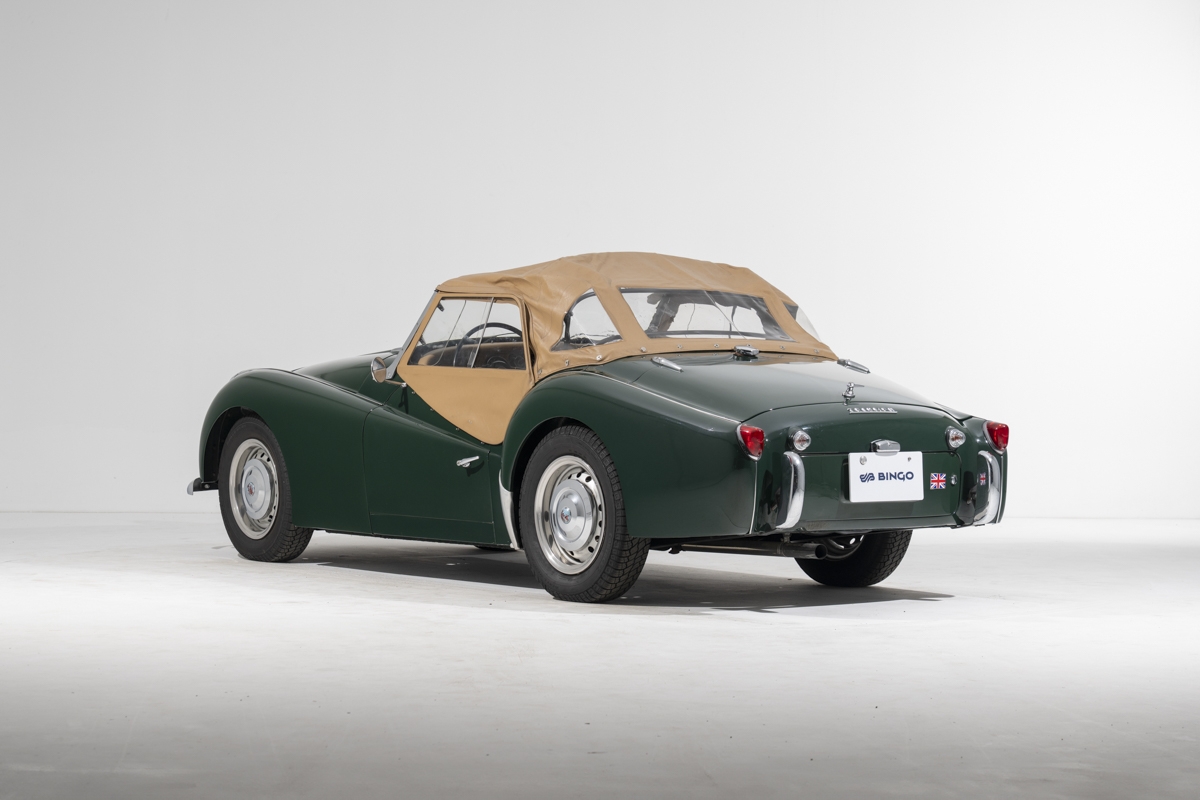
1960 Triumph TR3A
- TR3A with 1991cc engine
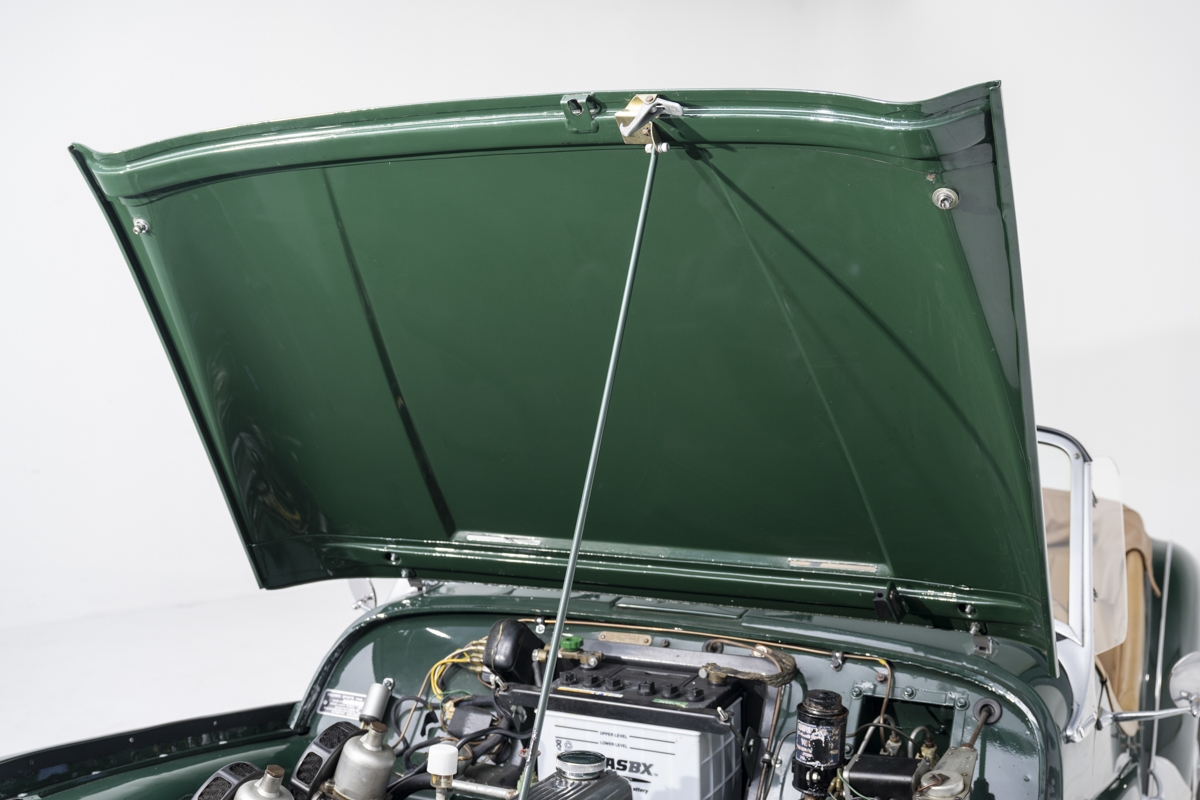
- Maintains high condition of originality
- Engine and body both in good condition
Founded in 1885, Triumph began manufacturing motorcycles in 1902. While developing into one of Britain's leading motorcycle manufacturers, the company also expanded into the manufacture of four-wheeled vehicles in 1921. In 1944, the four-wheel division was acquired by Standard Motor Company and re-launched as Standard-Triumph.
In 1946, Triumph introduced the Triumph Roadster 1800 as their first post-war creation. Then, at the 1952 London Motor Show, they unveiled a new model, the TR1.
The TR name comes from "Triumph Roadster," and its chassis was based on the pre-war Standard Flying Nine’s ladder frame.
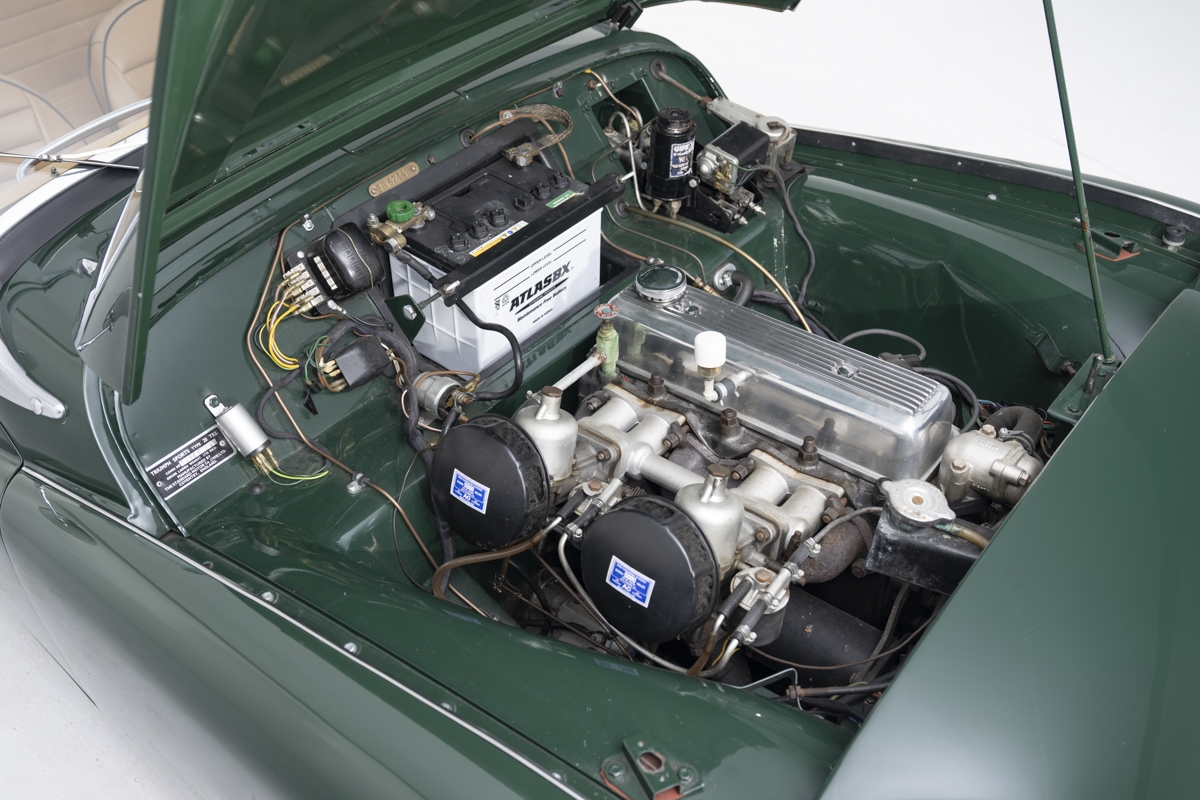
The suspension is a Triumph Mayflower double-wishbone front and leaf-rigid rear and the engine was based on the 1,991 cc inline-four OHV from the Standard Vanguard. Despite being a mix of different components, the body was designed by Walter Belgrove, featuring a modern style with integrated body and fenders.
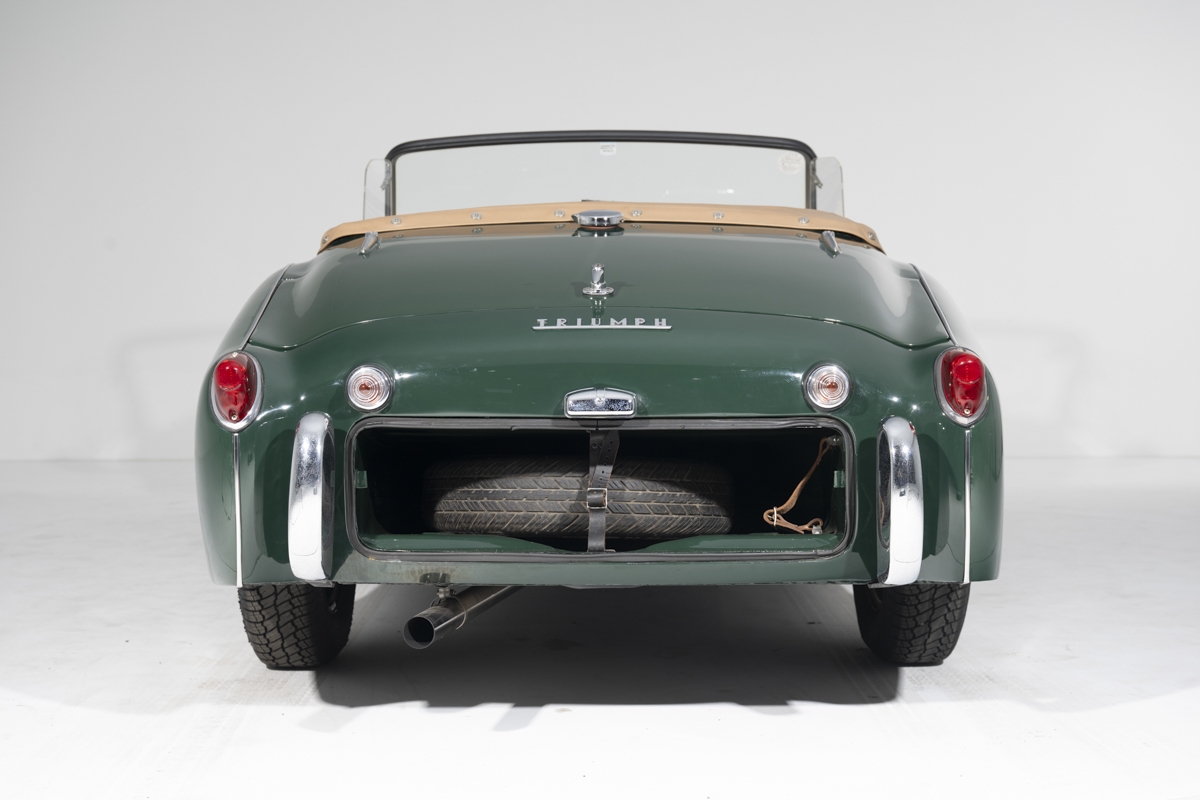
Ultimately, the TR1 was never sold, but in 1953, the TR2 was launched. It featured a redesigned body that housed the spare tire in the rear trunk, a strengthened ladder frame, and an engine tuned to produce 91 hp.
The affordable and high-performance TR2 was successful, particularly in the North American market, and was also active in rallies and road races. As a minor update to the TR2, the TR3 debuted in 1955, followed by the TR3A in 1957, which featured a 1,991 cc engine producing 102 hp.
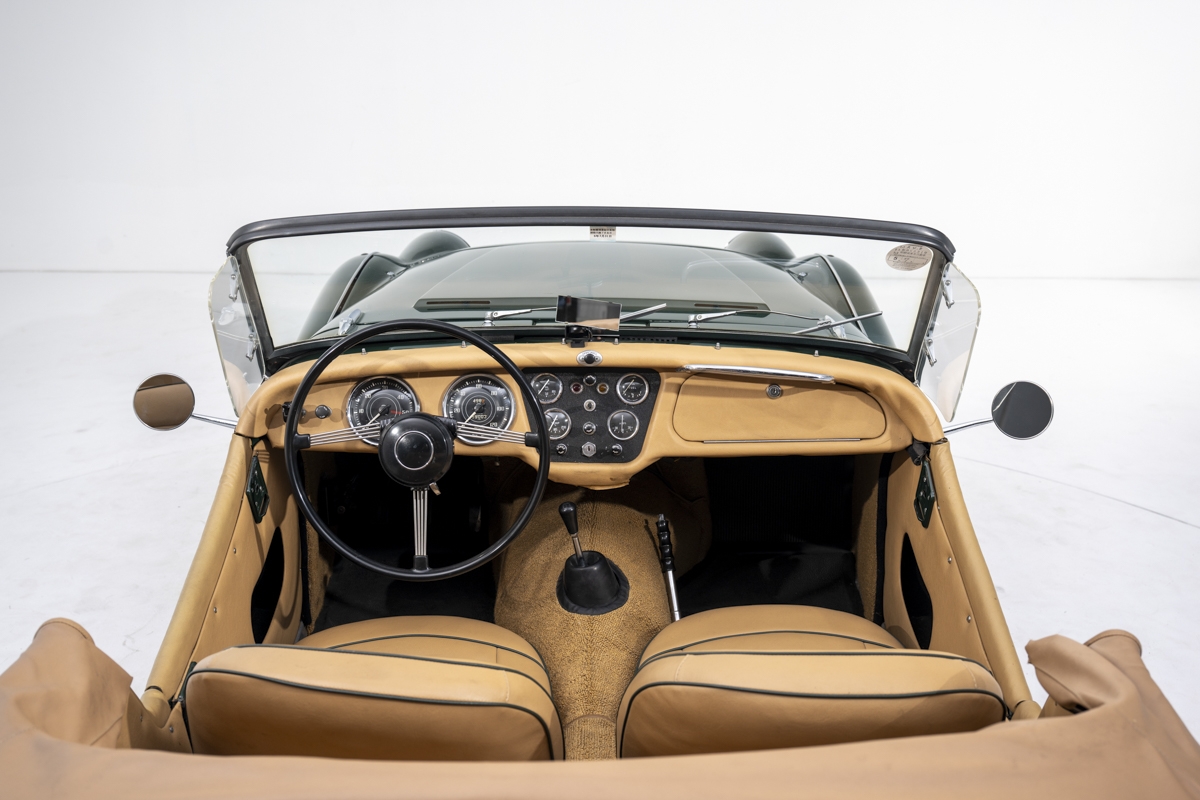
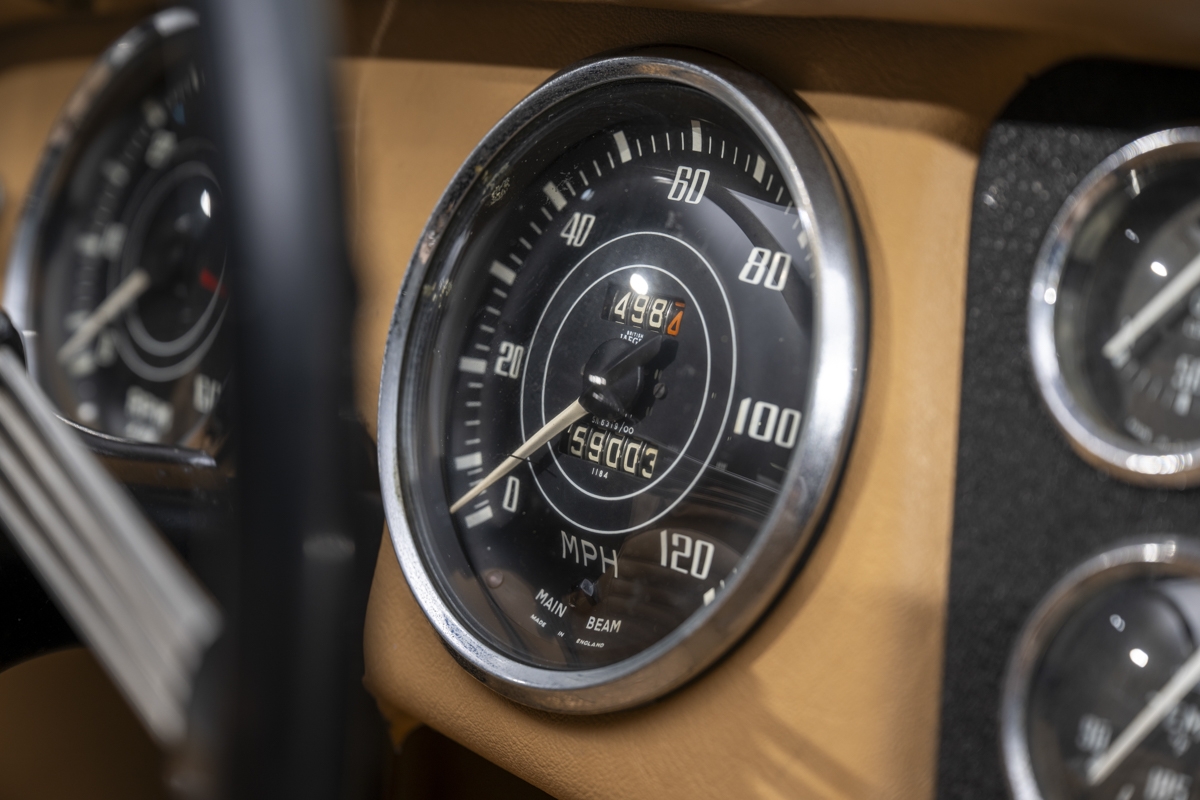
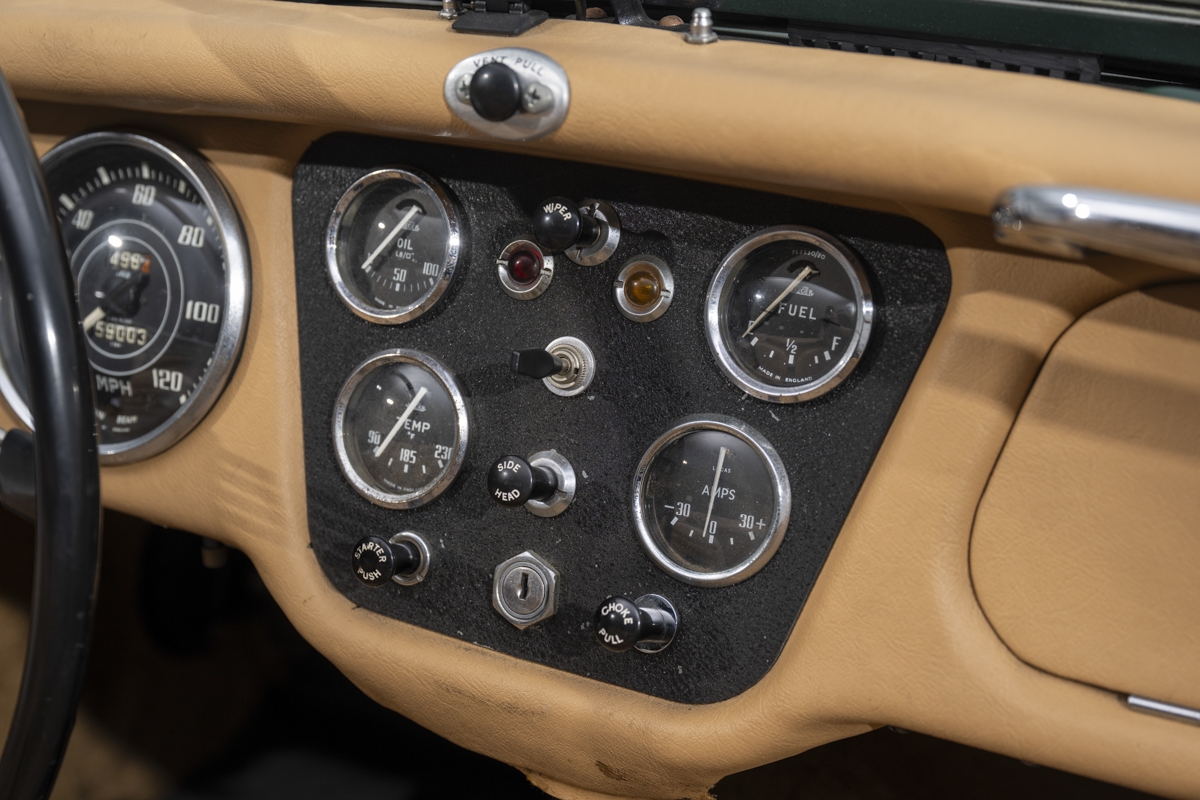
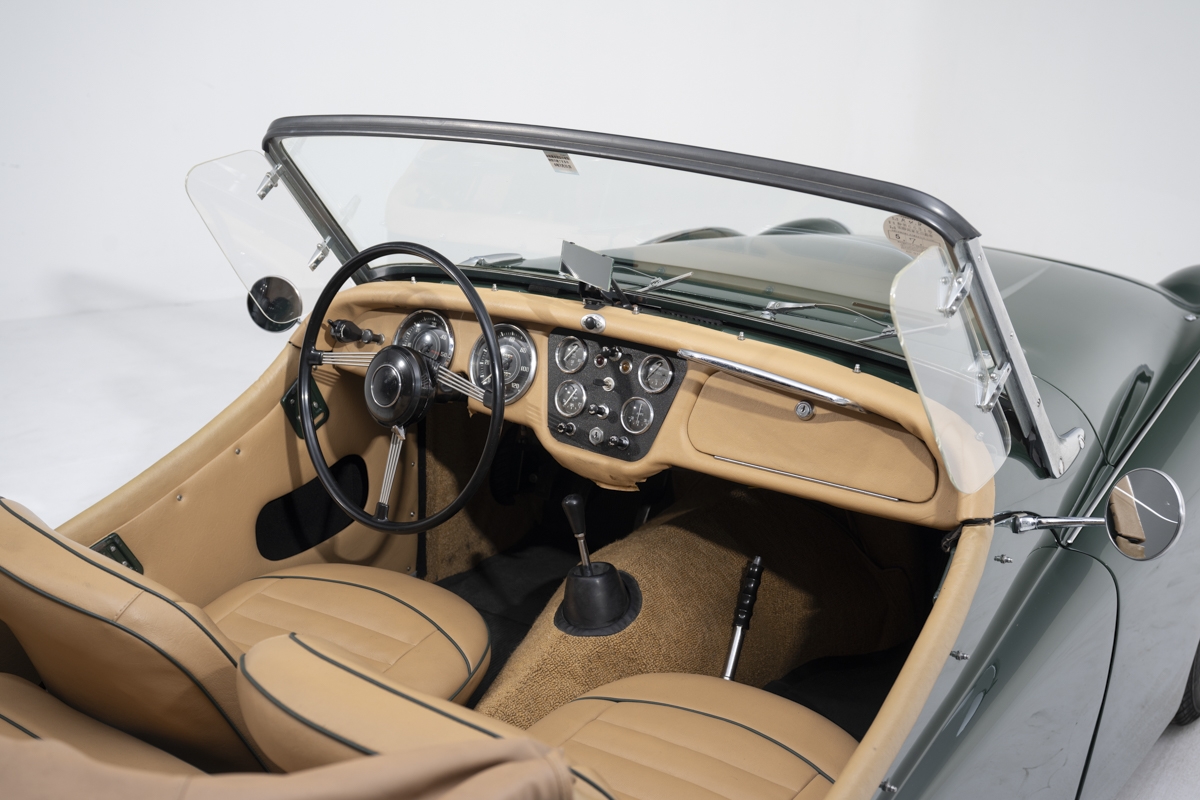
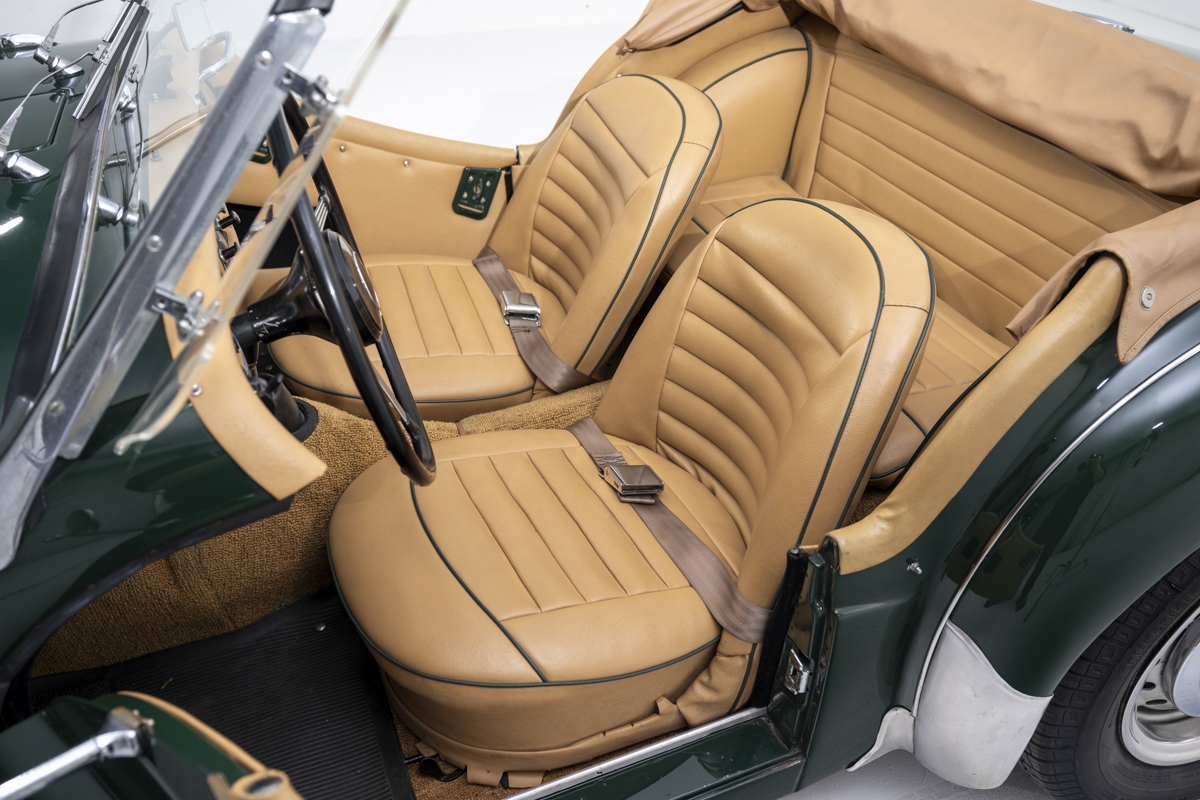
While the basic structure remained the same as the TR2 and TR3, the TR3A had several small changes, including a wider front grille, with integrated marker lamps and turn signals, door handles that allowed for key locking, a crystal-finished meter panel, and redesigned seats.
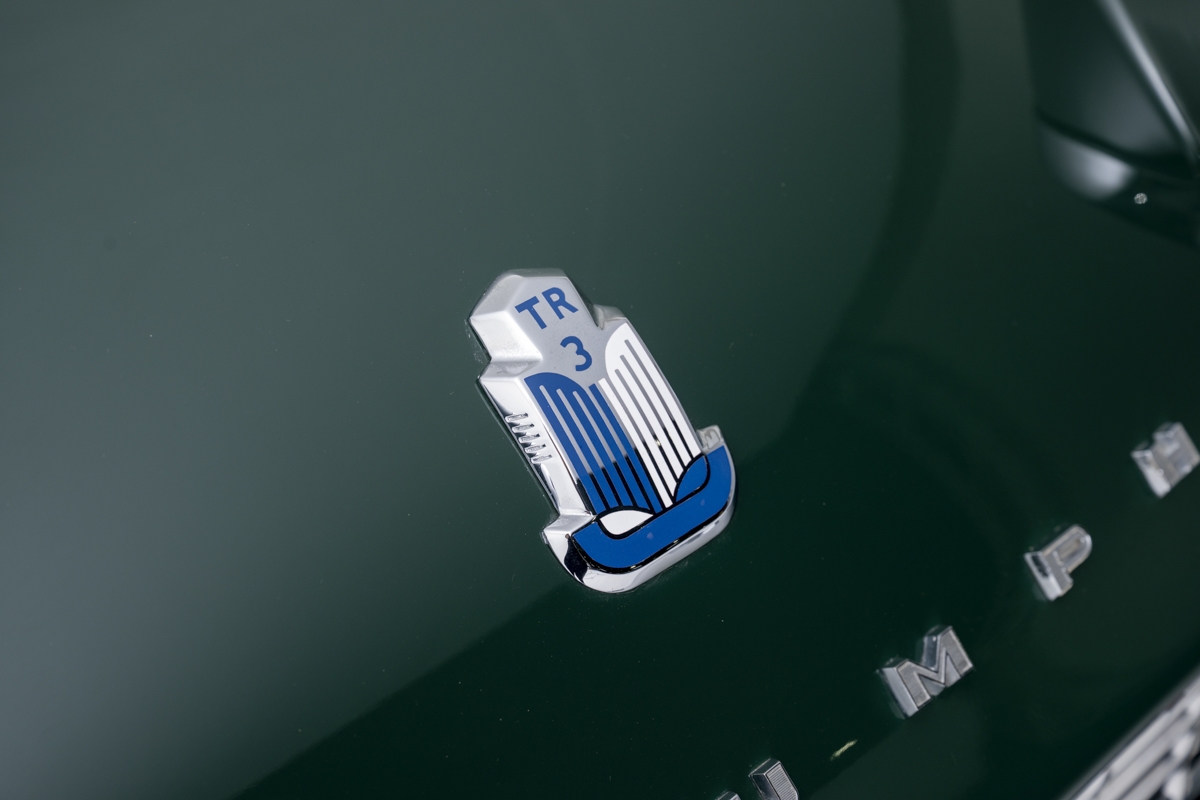
Later changes included improvements to the side-screen mountings in 1958, emblem design changes in 1959, and in 1962, the TR3B was introduced with an enlarged 2,138 cc engine for the North American market. By December 1962, a total of 74,800 units had been produced, making it a huge success.
The works team also saw success in motorsport, competing in events like the Monte Carlo Rally and the Le Mans 24-hour race. A few of these cars also participated in the first Japanese Grand Prix held at Suzuka Circuit in 1963.
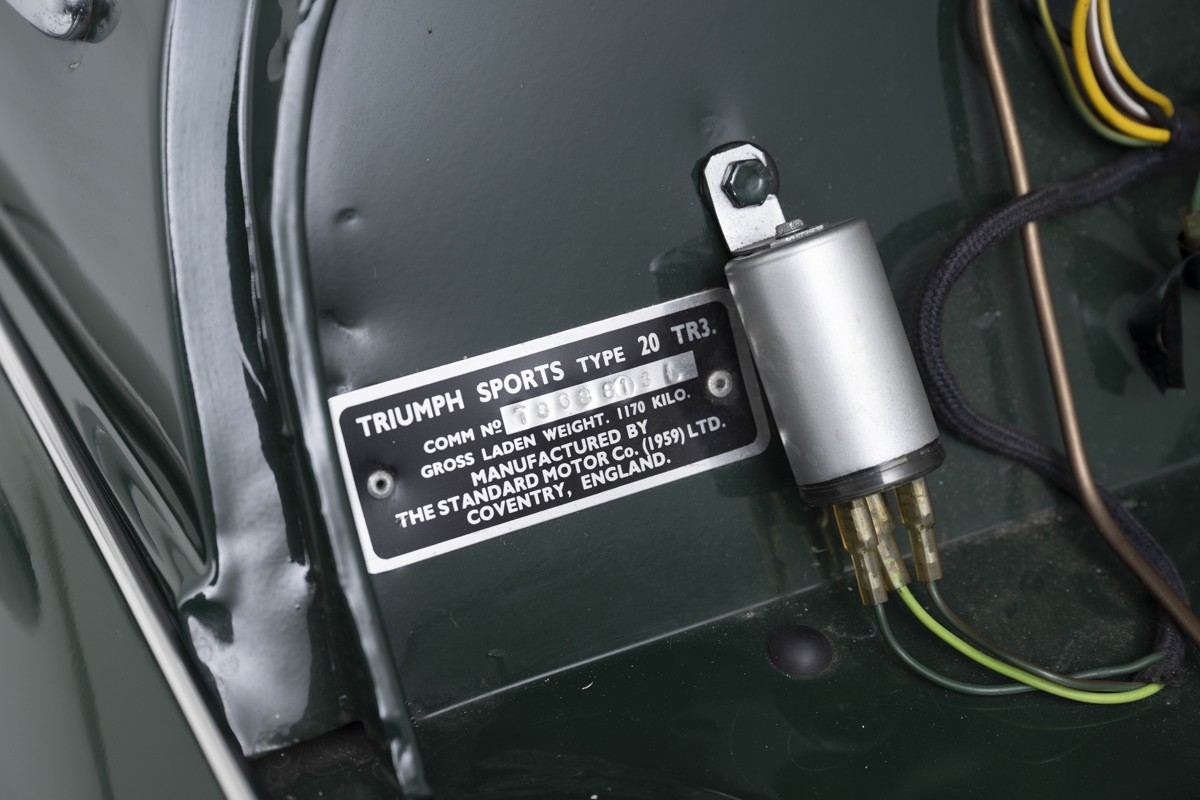
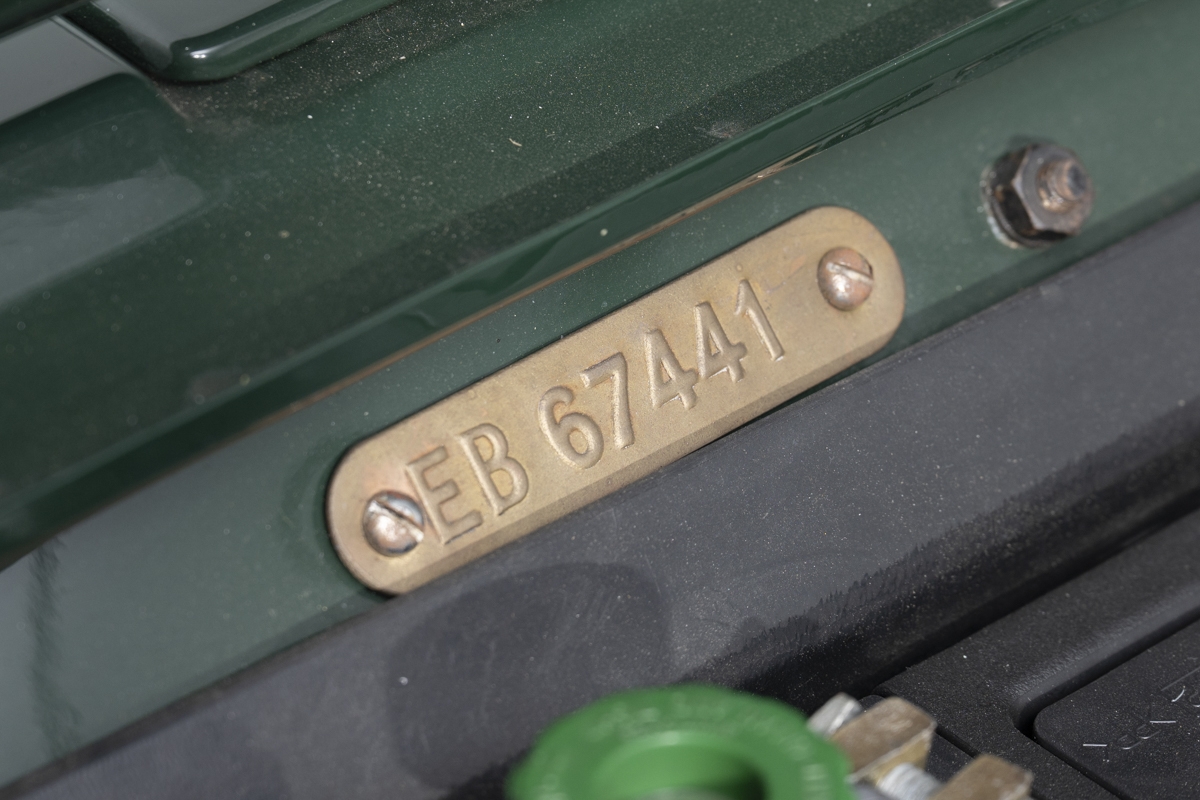
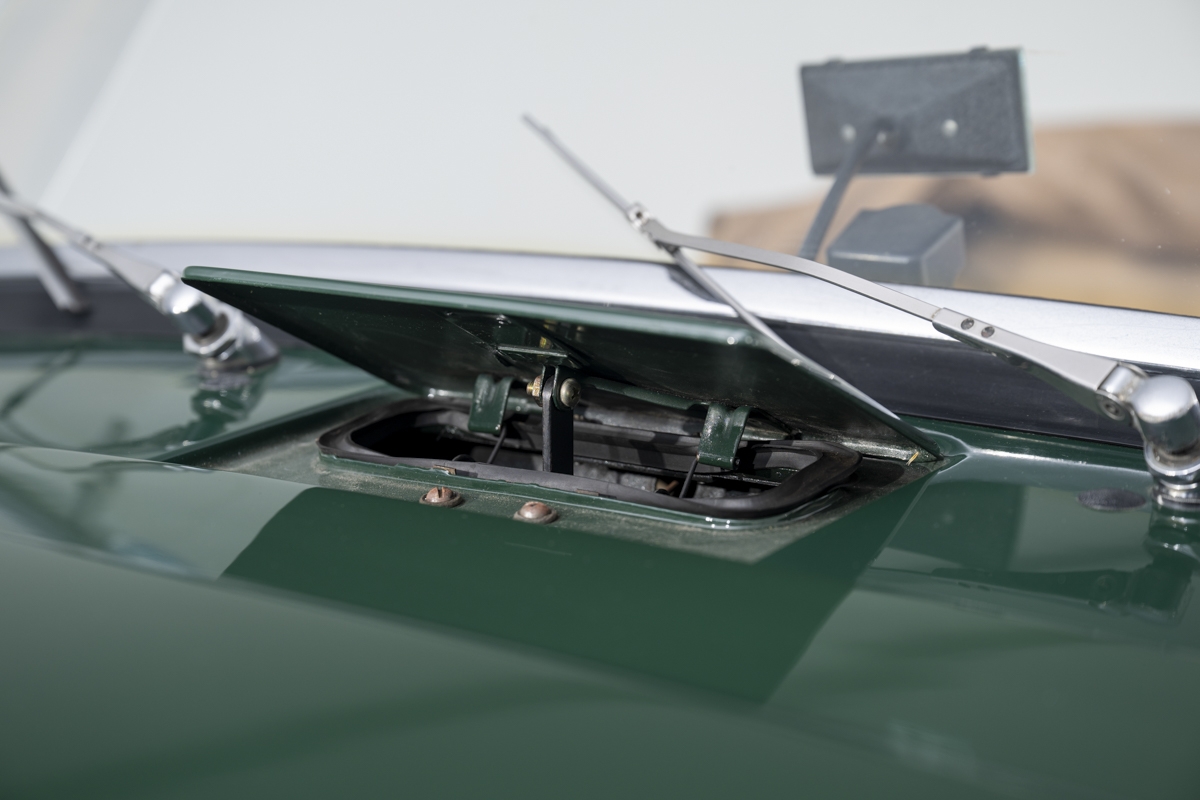
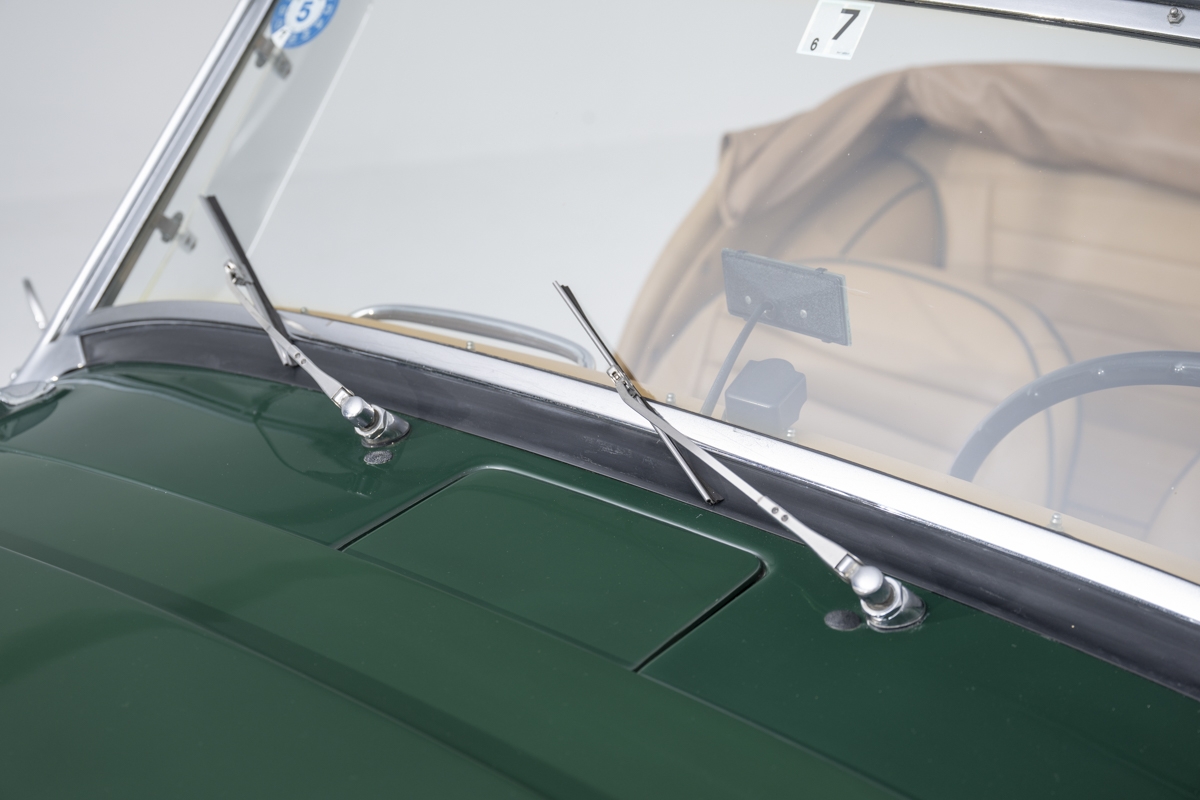
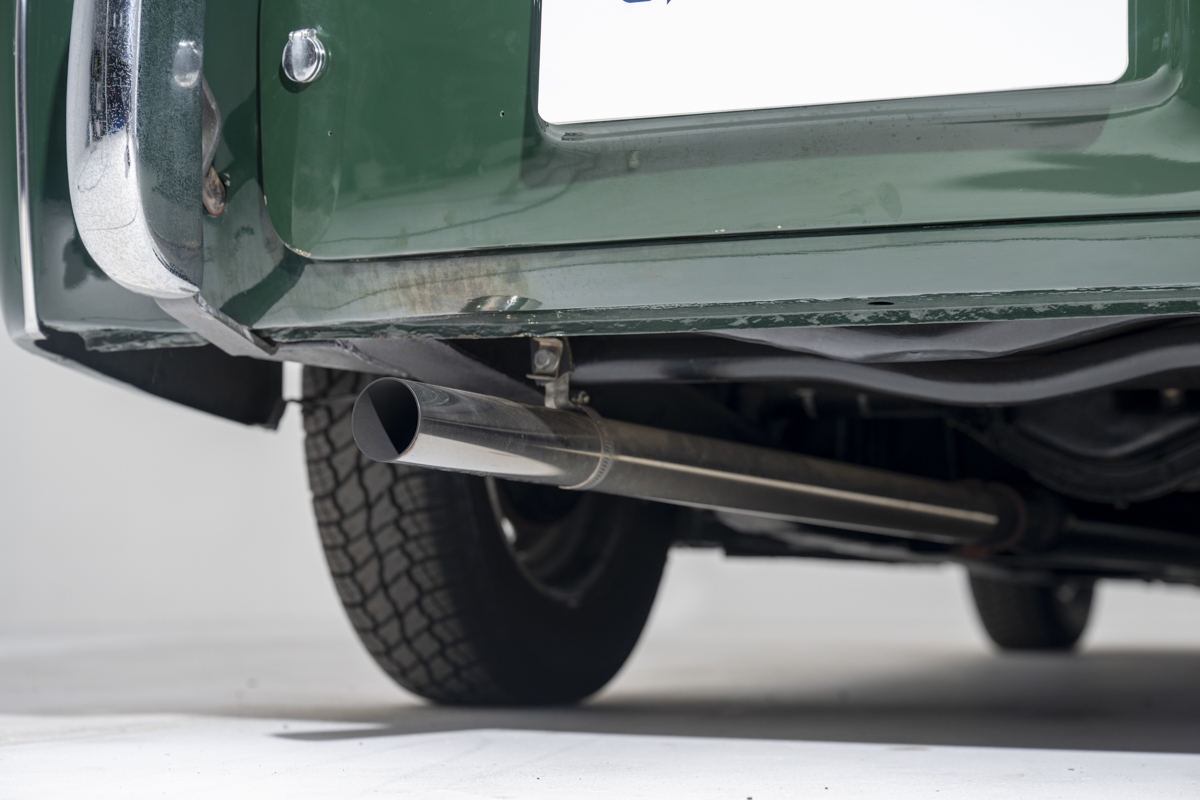
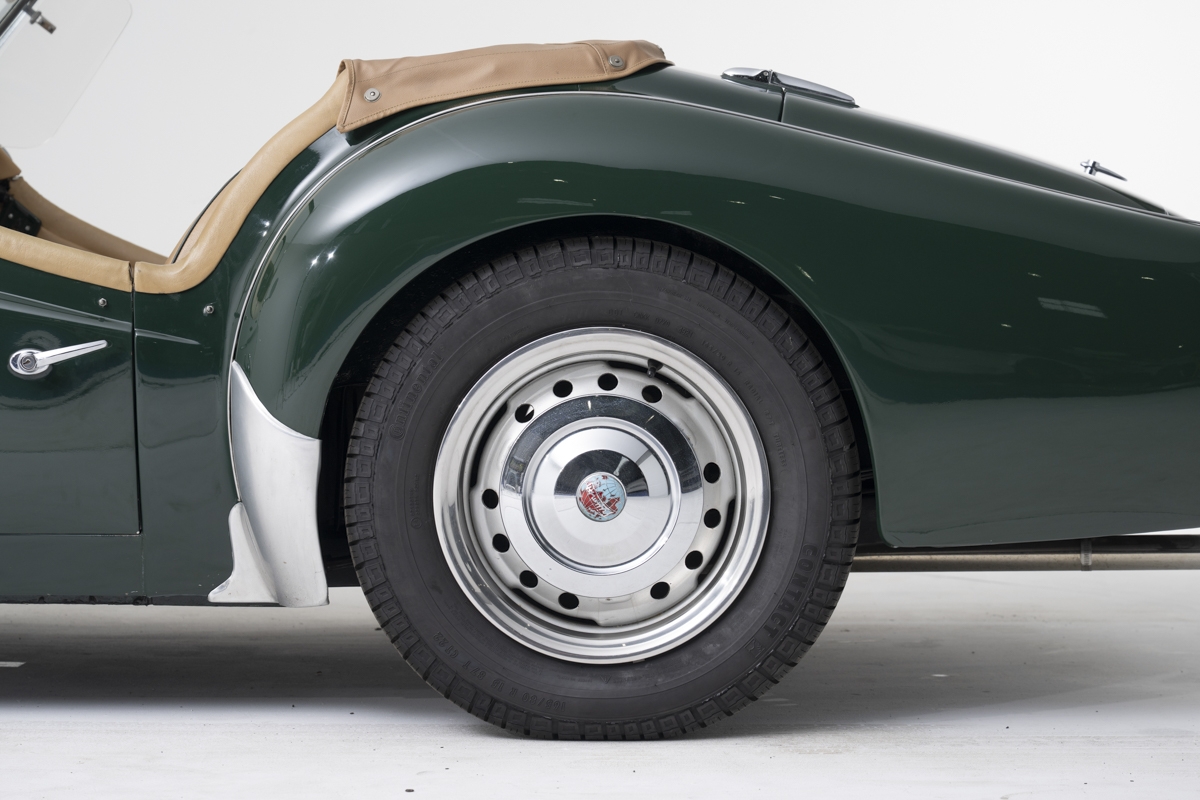
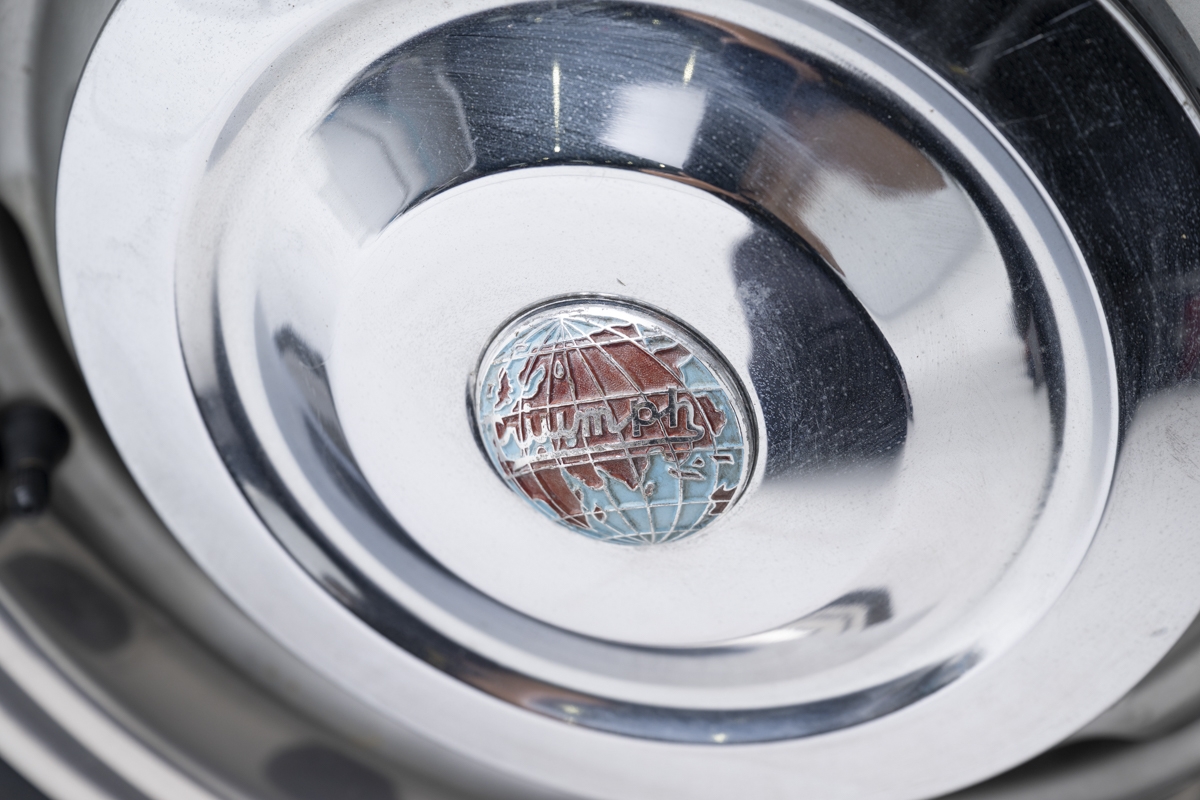
This TR3A is a 1960 model. Since most of the production was exported to the North American market, this particular car is a left-hand drive, North American version. The TR3A is known for its robust ladder frame and durable engine, making it a trouble-free car. This particular car also stands out for its excellent condition, particularly its body, which is usually prone to wear. It features a high level of originality, including an ebonite steering wheel and steel wheels with wheel caps.